

Tanzania Safari Packing Guide
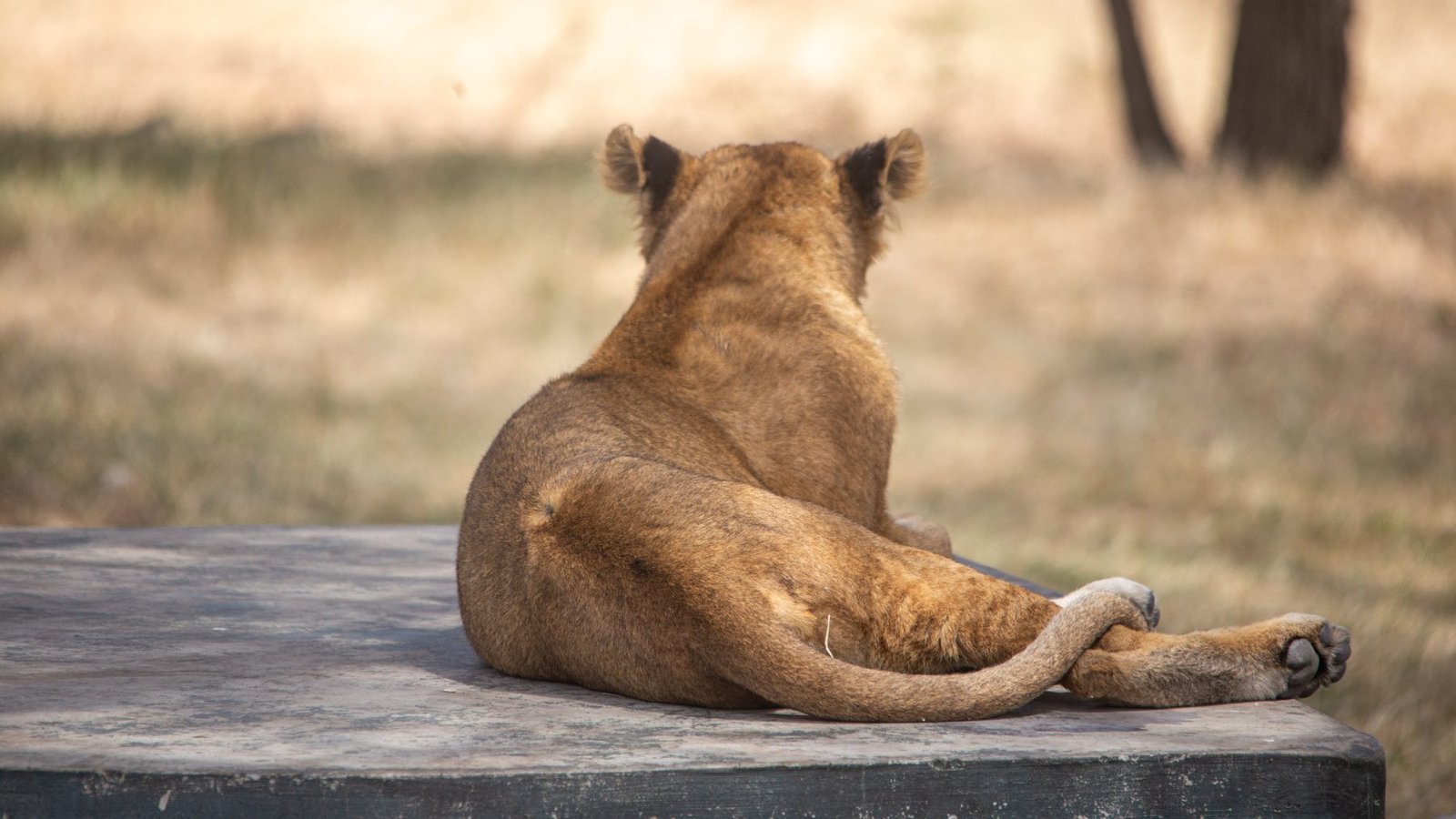
Prepare for your Tanzania safari with essential clothing, travel accessories and gear for a comfortable and unforgettable adventure.
A successful safari begins long before you arrive in the African wilderness. Preparing for Tanzania's diverse landscapes, changing temperatures and unforgettable wildlife experiences requires thoughtful planning and the right travel essentials.
From the endless golden plains of the Serengeti to the breathtaking Ngorongoro Highlands, the ancient baobab landscapes of Tarangire and the tropical shores of Zanzibar, Tanzania offers remarkably diverse travel experiences. Each destination presents different environmental conditions, making it important to pack strategically for your itinerary.
Whether you are planning a luxury safari, a fly-in wildlife expedition, a classic overland adventure or a combined safari and beach holiday, this comprehensive packing guide will help you prepare with confidence.
1. Safari Clothing: Dressing for Comfort and Changing Conditions
Choosing appropriate safari clothing is about comfort, practicality and adapting to changing weather conditions. Tanzania's climate varies considerably between destinations, altitudes and seasons.
During the day, temperatures in many safari regions can be warm, while early mornings and evenings may be considerably cooler, particularly in elevated areas such as Ngorongoro.
For a comfortable safari wardrobe, consider packing:
- Lightweight, breathable shirts made from cotton or moisture-wicking fabrics. - Long-sleeved shirts for sun protection and cooler mornings. - Comfortable safari trousers and lightweight shorts. - Neutral-coloured clothing in khaki, beige, olive and earth tones. - A fleece jacket or warm sweater for early morning excursions. - A lightweight waterproof jacket for unexpected showers. - Comfortable clothing for relaxing at safari lodges and camps.
Neutral colours are practical for safari environments and photograph well against natural landscapes. However, there is no need to purchase an entirely new wardrobe specifically for your safari.
Our recommendation: Prioritise breathable fabrics, versatile clothing and lightweight layers that can be combined throughout your journey.
2. Footwear: Preparing for Every Safari Experience
The right footwear contributes significantly to your comfort, particularly when your itinerary includes walking activities and nature excursions.
Depending on your travel arrangements, consider bringing:
- Comfortable walking shoes for everyday safari activities. - Lightweight hiking boots for walking safaris and nature trails. - Sandals or casual shoes for relaxing at your accommodation. - Comfortable socks suitable for extended outdoor activities.
For traditional vehicle-based game drives, specialised hiking boots are generally unnecessary. However, proper footwear becomes more important when exploring on foot.
If your itinerary includes Mount Kilimanjaro, you will need a separate technical footwear and equipment checklist.
3. Essential Sun Protection and Personal Care
Tanzania's equatorial location means that sun protection should remain a priority throughout your safari.
Extended periods outdoors, particularly during game drives, can increase exposure to direct sunlight.
We recommend including:
- High-SPF broad-spectrum sunscreen. - UV-protective sunglasses. - A wide-brimmed hat or comfortable cap. - SPF lip balm. - Insect repellent. - Personal toiletries and skincare products. - Hand sanitiser and personal hygiene essentials. - Any prescribed medication you regularly require.
A small personal-care kit kept within easy reach is particularly useful during longer journeys between destinations.
4. Photography Equipment: Capturing Tanzania's Extraordinary Wildlife
Tanzania is among Africa's most rewarding destinations for wildlife photography. From the dramatic landscapes of the Serengeti to close encounters with elephants in Tarangire, opportunities to capture remarkable moments are everywhere.
For photography enthusiasts, the following equipment can enhance your experience:
- A DSLR or mirrorless camera. - A telephoto lens for photographing distant wildlife. - A versatile zoom lens for landscapes and general photography. - Additional camera batteries. - High-capacity memory cards. - A protective camera bag. - A lens-cleaning kit. - A lightweight pair of binoculars.
A smartphone can also capture excellent travel photographs, particularly landscapes and memorable moments around safari lodges.
Photography tip: Bring sufficient storage and battery capacity. Opportunities to photograph wildlife can arise unexpectedly, and being prepared helps you make the most of them.
5. Electronic Devices and Travel Accessories Consider packing:
- A smartphone and charging cable. - A universal travel adapter compatible with your equipment. - A power bank. - Camera chargers and spare batteries. - Headphones. - A compact torch or headlamp. - Protective cases for electronic devices.
Tanzania generally uses Type D and Type G electrical sockets, with a standard supply of approximately 230V and 50Hz. Check the compatibility of your devices and chargers before travelling.
Some remote camps rely on solar power or generators and may have designated charging facilities or limited charging hours.
6. Travel Documents and Important Preparations
Before departing for Tanzania, organise your travel documentation and ensure that all essential arrangements are in place.
Important documents may include:
- A valid passport meeting applicable entry requirements. - Relevant visa documentation. - International flight confirmations. - Domestic flight tickets, where applicable. - Safari booking confirmations. - Accommodation details. - Travel insurance documentation. - Emergency contact information. - Copies of important travel documents.
Entry requirements depend on your nationality and circumstances. Always verify the latest immigration and travel requirements through the appropriate official authorities before departure.
7. Luggage Restrictions: What to Know Before Your Safari Flight
If your Tanzania itinerary includes domestic bush flights, luggage preparation requires additional attention.
Small safari aircraft operate with limited baggage capacity, and weight restrictions are generally more stringent than those on international commercial flights.
Many safari flight operators specify a baggage allowance of approximately 15 kg per passenger, including hand luggage, although the exact allowance varies by operator, aircraft and route.
For this reason, soft-sided travel bags are generally recommended. Their flexible construction makes them easier to accommodate within the limited baggage compartments of smaller aircraft.
Before departure, consider the following:
- Confirm the exact baggage allowance for every domestic flight. - Choose lightweight, soft-sided luggage. - Avoid unnecessary hard-shell suitcases. - Account for camera equipment and personal belongings. - Inform your safari consultant about additional or oversized equipment. - Arrange alternative luggage storage where available and appropriate.
Important: Never assume that all domestic safari flights have identical luggage restrictions. Confirm the applicable requirements before finalising your packing arrangements.
8. What to Pack for Different Destinations in Tanzania
One of the most important considerations when planning a Tanzania safari is understanding that different destinations have different environmental conditions.
Your packing list should reflect the specific regions and activities included in your itinerary.
Serengeti National Park
Wildlife safaris and expansive savannah landscapes
Serengeti National Park Tanzania golden savannah safari jeep wildlife, Pack lightweight safari clothing, a warm layer for early morning game drives, comfortable footwear, sun protection, binoculars and photography equipment.
Ngorongoro Conservation Area
Highland landscapes and cooler temperature.
Ngorongoro crater Tanzania aerial green crater safari landscape, The elevated environment can be considerably cooler than the surrounding lowlands. Bring a warm fleece, jacket, layered clothing and comfortable walking shoes.
Tarangire National Park
Elephant country and iconic baobab landscapes
Tarangire National Park Tanzania elephants baobab trees safari, Lightweight clothing, sunglasses, a sun hat, sunscreen and insect repellent are useful for exploring the park's open landscapes and woodland habitats.
Mount Kilimanjaro
High-altitude mountain expeditions
Mount Kilimanjaro Tanzania snow capped summit mountain trekking, Kilimanjaro expedition requires specialised equipment, including thermal base layers, insulated clothing, waterproof outerwear, suitable hiking boots, gloves and head protection. Your climbing operator should provide a detailed equipment checklist based on your route and season.
Zanzibar
Tropical beaches and coastal experiences
Zanzibar Tanzania tropical white sand beach turquoise ocean palm trees, If you are combining your safari with a coastal holiday, include lightweight summer clothing, swimwear, sandals, sun protection and appropriate beach accessories.
9. Understanding Tanzania's Seasons When Packing
Tanzania's weather patterns can influence the type of clothing and equipment you should bring.
June to October – The Dry Season
Generally favourable conditions for wildlife viewing across many northern safari destinations. Mornings can be cool, especially in the highlands, so warm layers are recommended.
November to December – The Short Rains
Short seasonal showers may occur, making a lightweight waterproof jacket and versatile clothing useful.
January to February – The Green Season
A period of changing wildlife activity and generally warmer conditions in many lowland areas. Lightweight clothing and sun protection remain essential.
March to May – The Long Rains
Rainfall can be more frequent, particularly in April and May. Waterproof outerwear, suitable footwear and protective luggage are useful additions.
Weather conditions vary across Tanzania, so consider the specific destinations and travel dates included in your itinerary.
10. The Essential Tanzania Safari Packing Checklist
Before leaving home, use this practical checklist to review your essential travel preparations.
Clothing and footwear
- Lightweight shirts and trousers. - Long-sleeved clothing. - Warm fleece or jacket. - Comfortable walking shoes. - Sandals or casual footwear. - Lightweight waterproof jacket. - Socks and personal clothing.
Personal essentials
- Sunscreen. - Sunglasses. - Hat or cap. - Insect repellent. - Toiletries. - Personal medication. - Hand sanitiser.
Photography and electronics
- Camera or smartphone. - Camera lenses. - Extra batteries. - Memory cards. - Binoculars. - Power bank. - Travel adapter. - Charging cables.
Travel documentation
- Passport. - Visa documentation, where applicable. - Flight confirmations. - Safari itinerary. - Travel insurance. - Accommodation confirmations.
Luggage
- Soft-sided travel bag. - Small day bag. - Packing organisers. - Luggage identification tags.
11. Expert Packing Advice for a Seamless Safari Experience
A well-prepared safari does not require excessive luggage. The objective is to bring practical essentials that support your activities while keeping your belongings manageable.
A few simple principles can make a meaningful difference:
Pack according to your itinerary. A Northern Circuit safari, a remote fly-in expedition and a Kilimanjaro climb require different equipment.
Prioritise versatility. Choose clothing that can be comfortably combined across different destinations and weather conditions.
Keep essentials accessible. Store travel documents, medication, sunglasses and frequently used accessories where you can reach them easily.
Respect luggage restrictions. Confirm baggage allowances before travelling, especially when using smaller domestic aircraft.
Prepare for changing temperatures. Early morning game drives and highland destinations can be significantly cooler than daytime conditions.
Allow room for flexibility. Avoid overpacking and leave sufficient space for personal belongings and souvenirs.
Final Thoughts: Arrive Prepared, Experience Tanzania Differently
A memorable Tanzania safari is shaped by exceptional destinations, thoughtful planning and the freedom to enjoy every moment of the journey.
From witnessing the Great Migration across the Serengeti to exploring the Ngorongoro Crater, encountering elephants in Tarangire and discovering the tropical beauty of Zanzibar, each experience deserves to be enjoyed without unnecessary travel complications.
Preparing the right clothing, equipment and travel essentials allows you to approach your adventure with confidence, comfort and peace of mind.
At Tripues Africa, we believe every remarkable journey begins with careful preparation. Our team provides personalised safari planning and practical travel guidance to help you make the most of your time in Tanzania.
Read nextTipping on safari: what is normalA straight answer, without the awkwardness.